That Rotten Egg Water Heater Smell in Your LA Home? It’s the Anode Rod, Not a Gas Leak
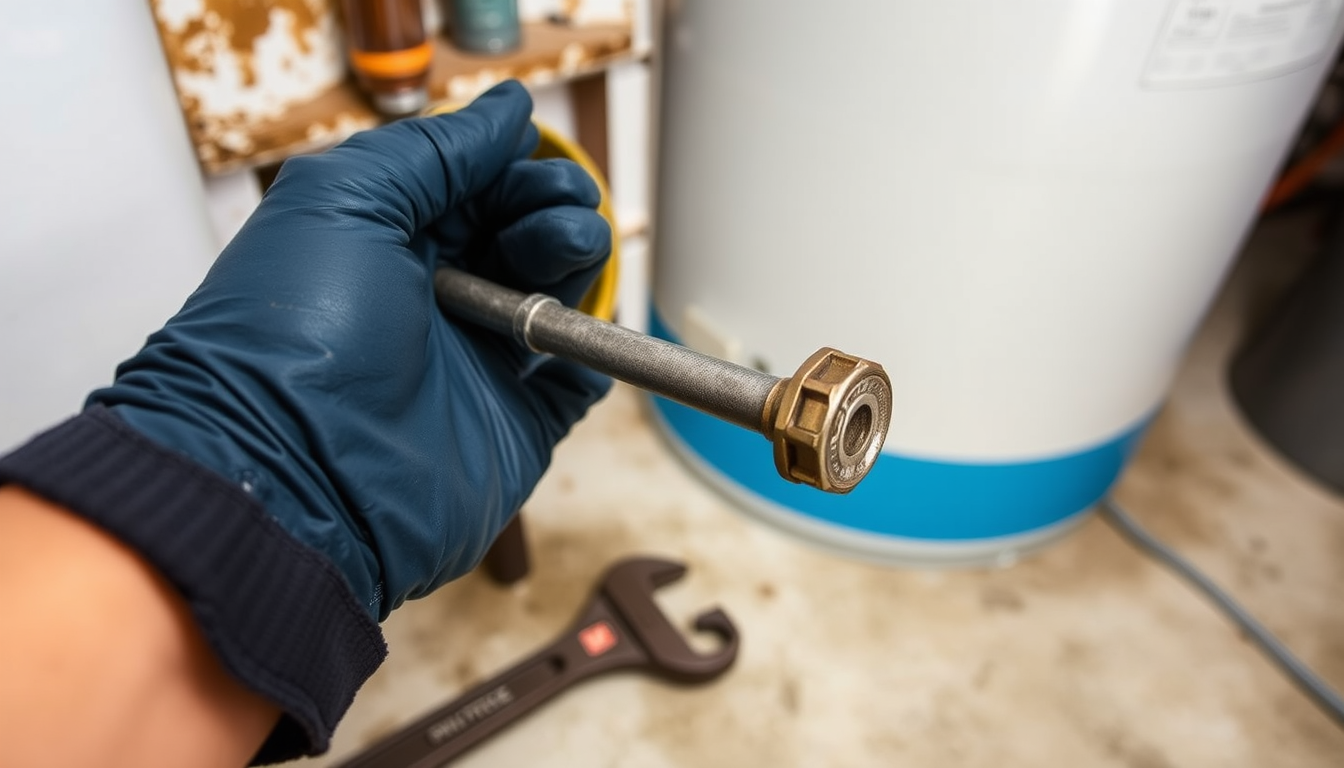
You turn on the hot tap and get hit with a water heater smell that reminds you of rotten eggs. Your first thought is probably gas leak. In 25 years of service calls across the Valley, Tri-Cities, and Westside, that smell has almost never been gas. It’s bacteria in your water heater tank reacting with the anode rod.
The short answer: If the rotten egg smell only shows up when you run hot water, it’s not a gas leak. It’s hydrogen sulfide gas. Bacteria in your tank react with the anode rod and produce it. Replacing that rod, usually with a zinc-aluminum or powered anode, clears the smell in a day or two. If you smell gas in the air near your appliances, not just at the tap, that’s a different problem. Get out and call the gas company.
Is That Smell a Gas Leak or Your Water Heater?
Natural gas has no smell on its own. Utilities add a chemical called mercaptan so a leak is easy to notice. It smells like rotten eggs too, which is why the two get confused.
The difference is where you smell it. A gas leak shows up in the air, near your water heater, furnace, or gas line. It doesn’t matter whether anyone’s touched a faucet. A water heater smell tied to the anode rod is different. It only shows up in your hot water, right at the tap or showerhead.
If you smell gas in the air, in the garage, a closet, or anywhere near an appliance, don’t wait to figure out which one it is. Get everyone out of the house. Don’t flip light switches or use your phone inside. Call SoCalGas from a safe location at 1-800-427-2200, per SoCalGas’s own leak safety guidance. Source
What Causes the Rotten Egg Smell?
Every standard tank water heater has a sacrificial anode rod bolted into the top. It’s a rod of magnesium or aluminum. Its whole job is to corrode instead of your steel tank. That’s what keeps the tank from rusting through early.
The problem starts when sulfate-reducing bacteria get into the tank. They feed on the anode rod’s metal and produce hydrogen sulfide gas as a byproduct. That gas is the water heater smell you’re picking up at the hot tap. It’s the classic rotten egg odor.
Magnesium rods react more than aluminum or zinc-blend rods. Magnesium is also the factory-standard on most tanks, so homes with a stock rod see this problem more often.
In short: the rotten egg smell in your hot water is hydrogen sulfide gas, produced when sulfate-reducing bacteria react with your water heater’s sacrificial anode rod, most often a magnesium one. It’s a tank maintenance issue, not a gas leak, and anode rod replacement is the standard fix.
The Cold Water Test: How to Confirm It’s the Tank
Before you assume anode rod replacement is the fix, run this test. Turn on the cold tap only and smell it.
No smell in cold water, but rotten eggs in hot water? That points straight at the tank and the anode rod.
Smell in both hot and cold water? That’s not the anode rod. It could be sulfate-reducing bacteria in the water supply itself. It could also be sewer gas venting back through a dry drain trap somewhere in the house. Odor coming from a drain rather than a faucet is usually a drain cleaning issue, not a water heater one.
Rusty or discolored water throughout the house, not just at the hot tap, points somewhere else entirely. That pattern usually means corroding galvanized supply pipe, not the tank. It’s common in older LA homes still running original galvanized lines. The fix there is repiping, not a new anode rod.
Why Does LA Water Make This More Common?
Los Angeles water runs hard. LADWP-reported hardness averages 10 to 15 grains per gallon, or 171 to 257 parts per million, depending on your neighborhood’s source blend. Source
Hard water means more dissolved minerals settling as sediment at the bottom of your tank. That sediment gives bacteria more surface area to work with, which speeds up the smell.
Older homes across the Valley and Tri-Cities are more likely to still have the original magnesium rod, especially anything built before 1960. If your water heater came with the house and nobody’s touched the anode, that rod has probably been reacting with LA’s hard water for years.
How to Fix It: Anode Rod Replacement
Anode rod replacement is a straightforward fix. The type of rod you install matters more than most homeowners realize. Zinc-aluminum and powered rods both resist the bacterial reaction that produces hydrogen sulfide, while a standard magnesium rod, though it protects the tank well, is the most likely to bring the smell back.
Zinc-Aluminum Alloy Rod
This is the most common fix. Zinc doesn’t feed the bacteria that produce hydrogen sulfide the way magnesium does. Swapping to a zinc-aluminum rod usually clears the smell without giving up corrosion protection.
Powered (Titanium) Anode Rod
A powered anode uses a small electric current instead of a sacrificial metal. There’s nothing corroding for bacteria to react with. It costs more upfront but doesn’t need replacing every few years.
Standard Magnesium Rod
Magnesium gives strong corrosion protection. It’s also the rod most likely to cause odor problems in bacteria-prone water. We don’t recommend it as a replacement if smell is the issue that brought you here.
Anode rod types at a glance:
- Magnesium: best corrosion protection, most likely to cause rotten egg odor in bacteria-prone water
- Zinc-aluminum alloy: reduces hydrogen sulfide production, the standard fix for smell complaints
- Powered (titanium): no sacrificial metal to corrode, higher upfront cost, longest service life
Flushing and Disinfecting the Tank
Rod replacement alone won’t clear a tank that’s already got sediment and bacteria built up. A full fix usually means draining the tank and flushing out the sediment. Disinfecting the inside comes before the new rod goes in.
Skip the flush and you can install a brand new rod and still smell rotten eggs. The bacteria are living in the sediment, not just on the metal.
DIY or Call a Plumber?
Pulling an anode rod yourself is possible, but it’s rarely as simple as it looks online.
The rod is torqued in tight at the factory, often well past what a hand wrench can break loose. You’ll need to shut off power or gas to the heater and drain enough water to relieve pressure. You also need clearance above the tank to pull the rod straight up. That’s a real problem in a lot of LA garages and slab-on-grade utility closets, where there’s barely a foot of ceiling clearance above the water heater.
Get the wrong rod, cross-thread it, or skip the flush, and you can make the smell worse. You can also shorten the life of the tank. Check your warranty terms before you start. On many tanks, manufacturer guidance calls for anode inspection by a qualified servicer or plumber, and pulling the rod outside of an inspection or replacement can void the warranty. Source
Before you try it yourself, check for these:
- A rod with less than 6 inches of exposed core wire at either end (replace it, per manufacturer guidance)
- Enough ceiling clearance to pull the rod straight up out of the tank
- The correct rod type and thread size for your specific water heater model
- Power or gas shut off, and enough water drained to relieve tank pressure
If you’ve got the tools, the clearance, and a rod that matches your tank, it’s a reasonable weekend project. If any of that is in question, or the smell keeps coming back after a DIY swap, that’s when it’s worth calling in a water heater pro.
How Often Should You Replace the Anode Rod?
Most water heaters need anode rod replacement about once every 3 to 5 years. Source
Hard water and heavy use shorten that window. If your water heater is original to the house and nobody knows the last time the rod was checked, that’s reason enough to have it looked at, whether you’ve got a water heater smell yet or not.
Fighting this smell for the second or third time on the same tank? If the tank is pushing 10 years old, replacing the rod again might just be delaying the inevitable. At that point it’s worth talking through water heater installation instead of another repair.
Frequently Asked Questions
Is the rotten egg smell from my water heater dangerous to breathe?
A water heater smell of rotten eggs and a natural gas leak are not the same thing. The hydrogen sulfide from an anode rod reaction is a different gas than the mercaptan added to natural gas for leak detection. The smell alone doesn’t mean you have a gas leak. That said, any strong, persistent odor in your home is worth taking seriously. Use the cold water test above. Call a plumber or SoCalGas if you’re still unsure which one you’re dealing with.
Can I just remove the anode rod instead of replacing it?
You can, and it will usually stop the smell fast. It also removes the corrosion protection the rod exists for, so the bare tank starts corroding instead. Most manufacturers require an anode rod to be present for the warranty to stay valid. We don’t recommend removing it and leaving the tank bare.
Will flushing the tank permanently fix the smell?
A flush clears out existing sediment and bacteria, which helps. Leave the same magnesium rod in place, though, and the smell usually comes back within a few months. Pairing the flush with anode rod replacement, using a zinc-aluminum or powered rod, is what makes the fix stick.
Does this happen with tankless water heaters?
Rarely. Tankless units heat water on demand instead of storing it. There’s no standing tank of water for bacteria to work in, and most tankless models don’t rely on a sacrificial anode rod the same way. Dealing with recurring smell issues on a tank-style heater? That’s one more reason to compare it against a tankless water heater installation.
How urgent is it to call a plumber?
Not urgent from a safety standpoint once you’ve confirmed it’s the anode rod and not a gas leak. It is worth handling within a few weeks, though. The longer sediment and bacteria sit in the tank, the more they affect water quality. They also shorten the life of the heater.
Run the cold water test, confirm the smell is only in your hot water, and you’re ready to get it handled? That’s exactly the kind of call we take every day. Rooter Experts has been diagnosing and fixing water heater smell issues for 25 years, across the San Fernando Valley, Tri-Cities, Westside, and Conejo corridor. It’s the same crew whether it’s your kitchen sink or a commercial building’s hot water system. Call us at 888-488-4808, or look through our full range of plumbing services to see what else we handle. Learn more about who we are on our about page.