Sewer Camera Inspection in LA: What the Scope Actually Finds Before You Approve a Repair
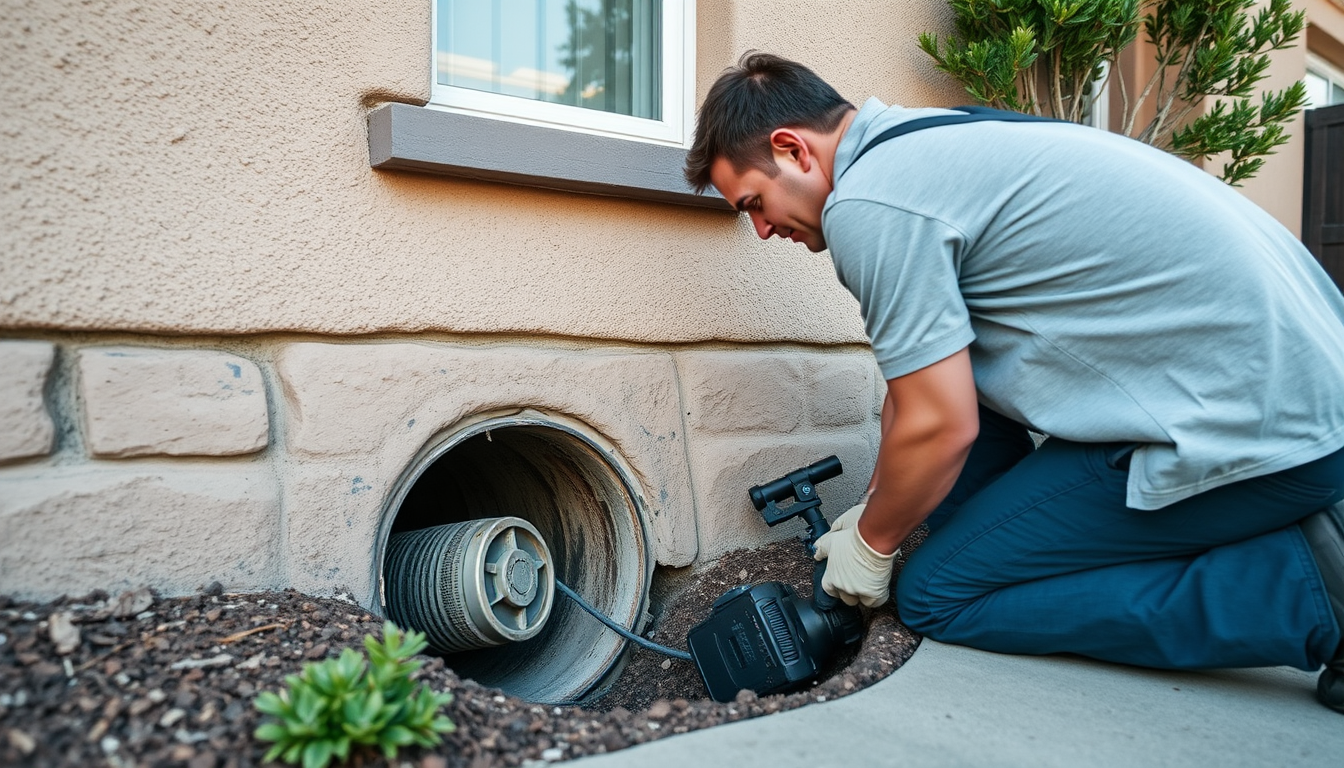
A sewer camera inspection is a waterproof camera on a flexible cable, fed through a cleanout to show you the inside of your sewer line on a screen. It’s how we find roots, cracks, and sagging pipe sections without digging up your yard first. If a plumber quotes you a sewer repair without showing you footage, ask why. You’re paying for a diagnosis you can’t see for yourself, and that’s backwards.
The short answer: A sewer camera inspection shows root intrusion, bellies, and cracked pipe before you approve a repair estimate you can’t see for yourself. What the camera finds should drive the scope of work, not the other way around.
What Does a Sewer Camera Inspection Actually Show?
The equipment is simple. A push-rod camera, sealed against water and sewage, goes in through a cleanout or a pulled toilet and travels down the line. It sends live video to a monitor the tech is holding right there on site. Some setups add a sonde, a small transmitter in the camera head that lets us locate the exact spot on the pipe from above ground with a locator wand.
On screen, you’ll see the interior wall of the pipe in real time. That’s where a sewer scope inspection earns its keep. Root intrusion looks like hair-like tendrils or thick mats pushing through joints. A belly shows up as standing water pooling in a low spot instead of draining clear. Cracks and offset joints show as breaks in the pipe wall or a visible step where two sections don’t line up anymore. Grease and scale buildup coat the pipe wall and narrow the opening.
Why Are LA Homes Prone to These Specific Problems?
LA’s older housing stock is a big part of why we run so many camera inspections. Homes built before 1960 often have clay or Orangeburg sewer laterals. Orangeburg pipe, made from layered wood pulp and pitch, was widely used across North America from 1950 to 1970, and use fell to near zero by 1972 once ABS and PVC plastic pipe took over new installations (Inspectapedia). If your house is from that era and the lateral has never been replaced, it’s likely original.
Then there are the trees. Ficus and pine are everywhere in older LA neighborhoods, and their roots go looking for water. Tree roots entering through defects or openings in a sewer line may cause blockages, and once roots find a crack or a loose joint, they don’t stop (EPA). That’s why the same LA yards with big shade trees tend to have the same drain problems every few years.
Slab-on-grade construction adds another wrinkle. When the sewer line runs under a concrete slab instead of a crawl space, we can’t just look at exposed pipe to guess what’s wrong. The camera becomes the only real way to see what’s happening under the floor without breaking concrete first.
How Do You Read the Findings Before You Sign a Repair Estimate?
This is the part most homeowners never get shown. What the camera finds should tell you what kind of repair you actually need, not just that you need one.
Trained techs don’t just eyeball a defect and guess. Most of us code findings against the Pipeline Assessment Certification Program (PACP), the industry standard NASSCO built for grading sewer pipe condition on a consistent scale (NASSCO). A crack or a root ball gets ranked by severity instead of just labeled “bad.” That grading is what should be driving your repair estimate, not a gut feeling on site.
Minor root intrusion, a few thin roots at one or two joints, usually calls for hydrojetting to clear the line and a camera recheck down the road to monitor regrowth. That’s a maintenance fix, not a dig-up.
A true belly, where the pipe has sagged and water pools instead of draining, is different. Bellies don’t clear with jetting because the pipe itself has lost its slope. That’s a structural problem, and it usually means a spot repair or trenchless lining at the sagging section.
A collapsed or heavily cracked section is the same story but worse. If the camera can’t even pass through, or you see daylight through a break in the pipe wall, that segment needs to come out or get relined. There’s no jetting your way past a collapse.
Offset joints, where two pipe sections have shifted but aren’t broken, often just need monitoring unless they’re catching debris and causing repeat clogs. If your plumber points to a minor offset joint and quotes a full line replacement, ask them to show you why that specific finding requires it. A camera inspection gives you the leverage to ask that question. Honest answer on the DIY side: you can rent a small camera to check for obvious blockages, but reading a belly from an offset joint, or a root mass from normal pipe texture, takes a trained eye. That’s when it’s worth calling a pro.
What Does the Inspection Process Look Like?
Here’s how it goes on a typical visit:
- We locate a cleanout, usually near the foundation or in the yard, or pull a toilet if there’s no cleanout access.
- The camera goes in and feeds down the line while we watch the live monitor.
- We note the distance to each finding using the built-in counter on the cable.
- If needed, we use the sonde and a locator wand to mark the exact spot above ground.
- You get the recorded footage, not just a verbal summary.
Most residential inspections take 30 to 60 minutes depending on the length of the line and how many findings we’re documenting along the way.
Once we’re done, you should walk away with more than a verbal recap. A proper inspection report notes the distance to each finding, what it is, and how severe it looks on the camera. If you’re getting quotes from more than one plumber, that written record lets you compare their proposed scope of work against the same footage instead of taking a second opinion on faith.
When Should You Get a Sewer Camera Inspection?
- You’ve had the same clog clear up and come back more than once
- Multiple drains back up around the same time, which usually points to the main line
- You’re smelling sewage odor in the yard or inside the house with no obvious source
- You’re buying a home built before 1960 and want to know the lateral’s real condition first
- You just had hydrojetting or a repair done and want to confirm the line is clear
- You manage a commercial property and need documentation for a compliance record
Frequently Asked Questions
How long does a sewer camera inspection take?
Most residential inspections run 30 to 60 minutes. Longer lines, hard-to-reach cleanouts, or multiple findings that need documenting can push it toward the higher end.
Can a sewer camera inspection find a problem in a slab-on-grade home?
Yes. That’s actually where it matters most. With no crawl space to visually check pipe, the camera combined with a sonde locator is how we find and pinpoint issues under a concrete slab without breaking it open first.
Does a sewer camera inspection replace a full home inspection?
No. A general home inspector checks the whole property but usually doesn’t scope the sewer line as standard practice. A sewer scope inspection is a separate, specific look at just the sewer lateral, and it’s worth adding when a home is older or has mature trees near the line.
What if the camera can’t get through the line?
If the camera hits a full blockage or collapse and can’t pass, that tells us something on its own. It usually means the pipe is compromised at that point and needs to be addressed before the rest of the line can even be inspected.
Will I get to see the footage myself?
You should. Ask for the recorded video, not just a description of what was found. If a plumber won’t show you the footage behind a repair recommendation, that’s worth questioning.
If you’re dealing with a clog that keeps coming back, a bad smell you can’t source, or you’re about to buy an older LA home and want to know what’s really in the ground, a camera inspection is the honest first step. We’ve been running these scopes on LA sewer lines for 25 years, and we’ll show you exactly what we find before we talk about fixing anything. If that matches what you’re dealing with, call Rooter Experts at 888-488-4808. For everything else we handle, from drain cleaning to whole-house repiping and water heater installation, see our full list of plumbing services. We’re a family-run crew, and the same people who answer the phone are the ones who show up with the camera.